In the rapidly evolving field of artificial intelligence, AI vision stands out as a game-changer, revolutionizing industries from healthcare to automotive. For developers looking to dive into this exciting domain, having the right toolkit is essential. This blog post explores the key components: hardware, software, and expertise.
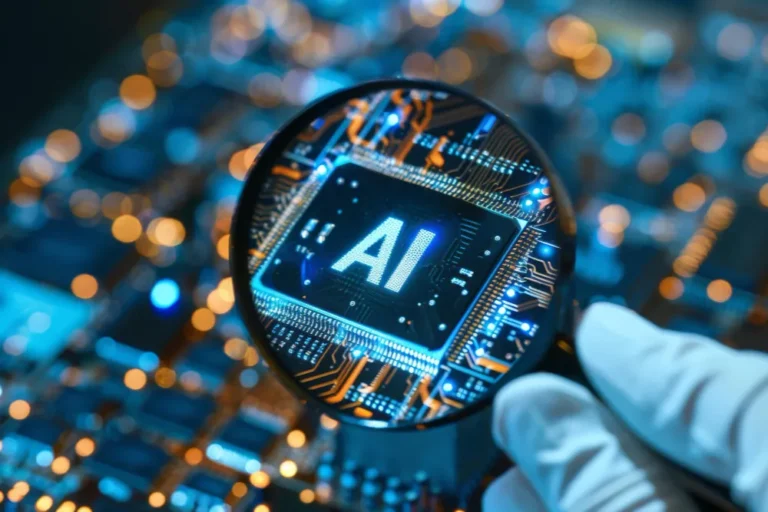
Hardware forms the backbone of any AI vision project. High-performance GPUs, such as those from NVIDIA, are crucial for handling the intensive computations required for deep learning models. Edge devices, like the Jetson Nano, enable real-time processing at the source, reducing latency and bandwidth usage. Cameras with high resolution and frame rates ensure that the data fed into your models is of the highest quality, enhancing accuracy and performance.
On the software side, frameworks like TensorFlow and PyTorch dominate the landscape, offering robust tools for building and training deep learning models. OpenCV provides extensive libraries for image processing, while specialized platforms like NVIDIA’s DeepStream SDK streamline the development of real-time vision applications. These tools, combined with cloud services such as AWS and Azure, offer scalable solutions for deploying and managing AI vision systems.
However, expertise is the glue that binds hardware and software. Understanding the nuances of computer vision algorithms, data preprocessing, and model optimization is crucial. Continuous learning and staying updated with the latest research and developments are vital for maintaining a competitive edge in this dynamic field.
In conclusion, the AI vision developer’s toolkit is a synergistic blend of cutting-edge hardware, powerful software, and specialized expertise. Equipped with these tools, developers can unlock the full potential of AI vision, driving innovation and transforming industries.